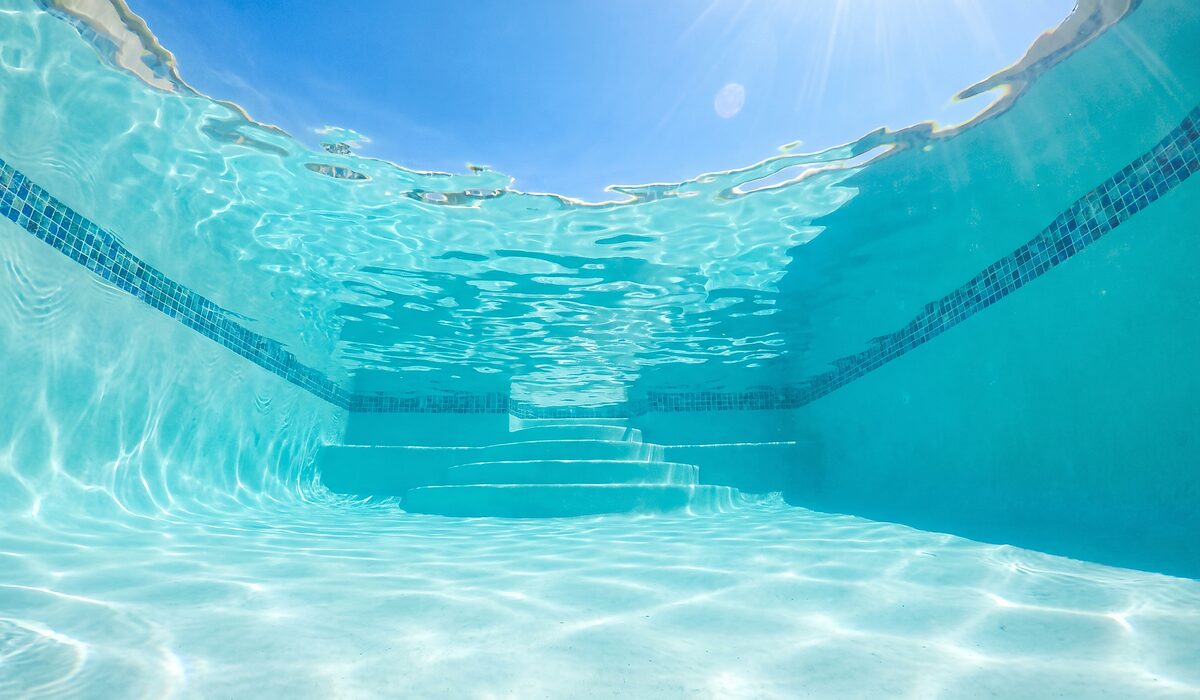
Pool leak detection in San Antonio, TX from Blue Science: pressure and dye testing that finds where a San Antonio swimming pool is losing water, a written report with the location and the results explained, the leak repair quoted separately, and a 30-day warranty when we do the repair. Pricing varies by pool, so call for a quote on the standard leak detection visit.
San Antonio, TX Pool Leak Detection
Stop guessing where the water is going
We follow the evidence, pressure testing, dye testing, and focused inspection, then explain what we found on your San Antonio pool and the practical next step.
Pool Leak Detection for San Antonio
Find the source before water loss becomes a bigger problem
San Antonio sits on karst limestone on its north side and clay on its south and east, and a leaking pool behaves differently on each: rock swallows the water without a sign, and clay moves the shell every season. If your pool is losing more than evaporation explains, Blue Science finds the source and quotes the repair separately.
A San Antonio leak call north of Loop 1604 and one south of it are different jobs: the rock hides the water, the clay moves the pipe. Either way we test the lines rather than chase wet spots, and you see the findings before any repair is proposed.
Leak clues in a San Antonio pool
 From the leak crew
Air in the pump basket, a level that drops faster with the pump running, a deck joint that has opened on a slope, a downhill wet spot, or a jump in the water bill are the signs worth a call. The bucket test below separates summer evaporation from a real leak in a day.
Return lines routed around rock in Stone Oak, root-bound original plumbing in Alamo Heights and Monte Vista, and clay-stressed fittings on the south side are the usual sources, and each is dye-tested during the visit.
Leak detection across San Antonio
 From the leak crew
Our leak technicians cover San Antonio on the same schedule as our weekly routes through Alamo Heights, Stone Oak, and The Dominion, so a visit can be arranged quickly. Call for pricing on the standard leak detection visit, and repairs are quoted separately once the source is found.
Detection carries a 30-day warranty when Blue Science performs the repair, and the line is retested afterward.
A leak test in San Antonio
From a bucket on the step to a marked spot
-
 Bucket test read Yesterday's bucket tells us how much of the loss is evaporation and how much is not.
 -
 Pressure and dye Each line is isolated and pressure-tested; dye finds cracks around fittings and lights.
 -
 The mark The source is marked, photographed, and written up with the repair options.

How we find a leak
Your Greater San Antonio team
7 cities, one phone number, the same faces
The leak technician, the repair crew, and the weekly routes work out of the same Greater San Antonio office, so a found leak becomes a scheduled repair without a second company.

Against hard water, cedar and oak pollen, and 90-degree water, our scientific approach to pool leak detection is what San Antonio customers love about us. Read our reviews here.
Turn Water Loss into a Clear Answer
Ready to find what is happening in your San Antonio pool?
Tell us how quickly the water level is dropping and what you have noticed around the pool or equipment. We will help you schedule the appropriate leak detection visit and get the issue fixed.

Call Our Pool Experts
210-704-1400 Get a QuoteGood to know
Questions San Antonio Pool Owners Ask
How do I know it is a leak and not the weather?

Put a bucket of pool water on the step for a day and mark both levels. If the pool drops faster than the bucket, that difference is the leak. In North Texas I also ask when the yard last moved, because clay soil pulls skimmers away from the shell in a dry August.
Answered by a Blue Science leak technician, Greater San AntonioWhy is my pool losing 1 inch of water a day?
Three things drop a pool an inch a day, and only one of them is normal. Evaporation on the hottest San Antonio days can take up to half an inch, hard water, cedar and oak pollen, and 90-degree water permitting; splash-out and backwashing take a little more on a busy weekend; everything past that is a leak. Pressure-side leaks show up as a wet spot or a pump that spits air, suction-side leaks as air in the pump basket, and shell leaks as a level that stops dropping at the same spot every time, which our leak detection visit sorts out with pressure tests and dye in any of the 7 cities we cover. Detection is warranted for 30 days in San Antonio when Blue Science makes the recommended repair, in all 7 cities we serve.
How can I find out where my pool is leaking from?
Start at the equipment pad, because a dripping pump seal, a weeping filter tank, or a loose union is a repair rather than a leak, and hard water, cedar and oak pollen, and 90-degree water produce plenty of those. If the pad is dry, run the bucket test for 24 hours with the autofill off, then watch where the level stops: at the skimmer mouth points to the skimmer or a return line, below the light points to the niche or the main drain line, and a level that keeps falling points to the shell; in San Antonio our leak detection visit confirms it with pressure testing on the lines and dye at every fitting, as in all 7 cities we serve. In San Antonio the visit starts at the equipment pad and works toward the shell, with hard water, cedar and oak pollen, and 90-degree water in mind.
What is the easiest way to find a leak in a pool?
Rule out evaporation first, with a bucket. Mark the pool level and a bucket filled to match, wait a day with the autofill off, and compare; in San Antonio, hard water, cedar and oak pollen, and 90-degree water can push evaporation up, but the bucket shows exactly how much. Anything the pool loses beyond that is a leak, and the detection visit locates it with pressure on each line and dye at each fitting; 210-704-1400 books it. The bucket test is also how our San Antonio technicians check the repair afterward, against hard water, cedar and oak pollen, and 90-degree water.
What is the most common cause of pool leaks in San Antonio?
The skimmer, first and by a wide margin. The throat where the skimmer meets the shell moves every time the deck and the pool move differently, and in San Antonio, hard water, cedar and oak pollen, and 90-degree water keep them moving. Return fittings and light niches come next, then underground lines where a deck has settled, and shell cracks last; each shows a different pattern in the water level, and the dye test confirms it in minutes, as it has across 7 cities. Our San Antonio detection visit tests the skimmer and returns first because that is where the odds are, hard water, cedar and oak pollen, and 90-degree water considered.
Does a leaking pool get worse if I wait?
Yes, in three ways, and hard water, cedar and oak pollen, and 90-degree water speed all three. Every day the autofill covers the loss you pay for water and for the chemicals that leave with it; water leaving under the deck washes out the fill and settles the deck, which opens more joints; and a pool that drops below the skimmer lets the pump suck air and run dry, which turns a leak call into a repair call. In San Antonio the leak that started in spring is a bigger job by fall, which is why 210-704-1400 is worth a call early.

Seen our truck on your street?
That is because we also service Shavano Park, Universal City, Scenic Oaks, Fair Oaks Ranch, and Boerne
The route that covers San Antonio runs through these towns on the same days, with the same technicians. If you split time between houses, or your parents' pool is a few exits away, one phone number covers all of them.
Pool days in San Antonio, TX

After many seasons in San Antonio, Blue Science remains grateful to the customers who welcome our technicians into their backyards. The San Antonio River Walk, neighborhood taquerias, and centuries of history give the city endless ways to spend a day. The joy is wonderfully simple: step outside, cool down, float awhile, and let the day become less complicated. Homeowners rely on Blue Science for pool cleaning, chemistry, filtration, repair, leak detection, renovation, and construction expertise.