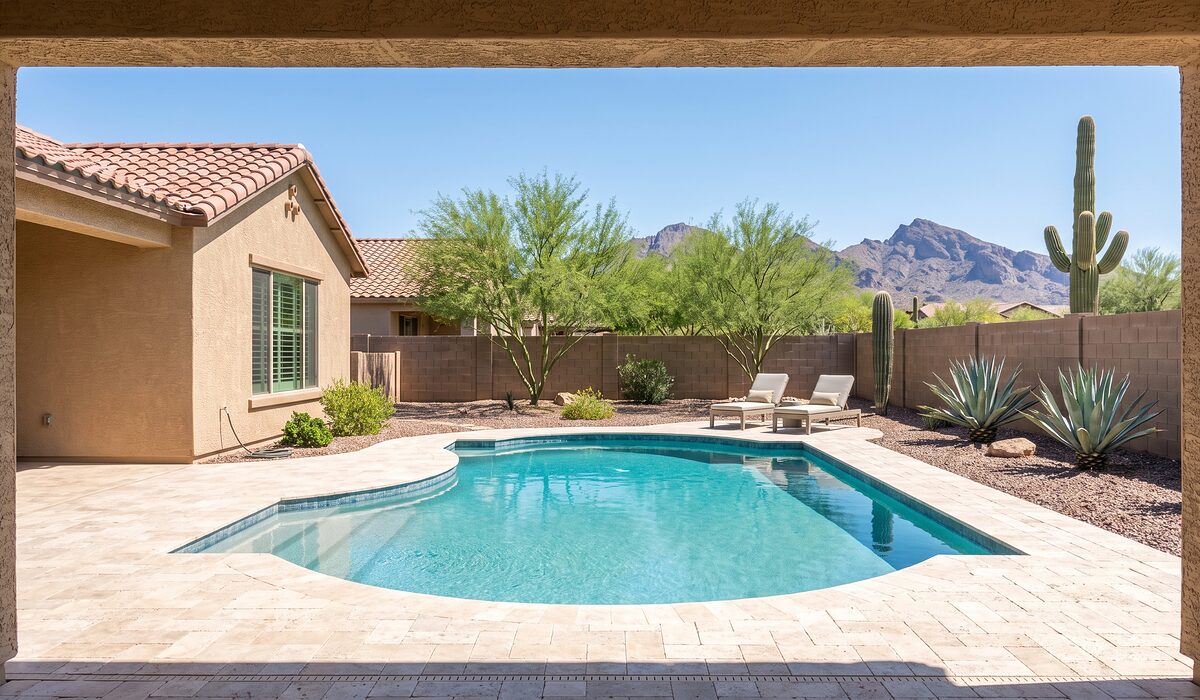

If you have a swimming pool in Texas then what is typically done for "winterizing" can be very different then what those in the Northern US do to winterize a swimming pool.
For many in Texas, Winterizing a swimming pool means simply pulling all the drain plugs on the equipment items and then lowering the water to the bottom of the tile. Swimming pools that are winterized in this manner in Texas do not typically have the plumbing lines blown out nor do they have any anti-freeze added to the lines. They also might not have any type of cover installed over them (although some do).
Removing the drain plugs, shutting down the pool equipment, and lowering the water level to the bottom of the tile is what we typically do to winterize a swimming pool in Texas when requested (unless there are any additional special requests). Most Texas pools simply stay on weekly service through winter; see what the Partial Service plan covers.
There are a few important steps to consider if you don't choose to be one of the very few that winterized their swimming pool in Texas.
We recommend these precautions be followed for those choosing not to Winterize a swimming pool in Texas.
- Make sure you have a freeze guard or freeze switch installed. This is simply a thermostat with a switch that will override the pool pump timer and turn it on when the air temperature gets cold.
Please note that it is important to set your freeze switch to turn on the equipment a few degrees higher than 32 degrees F. This is because freeze switches or guards are normally only accurate to within 3-5 degrees of the actual temperature.
Also note that it can save you money on electricity if you set your equipment to run at night during the Winter instead of the day. This is because it will run at night anyway on cold nights, causing you to have less total run time. Salt pools need a floating chlorinator once the water drops below 60 degrees; see salt water pools and cold water temperatures.
- Make sure any automated valves are working properly. Some control centers with automated valves will "cycle" the water by diverting it through different devices or the spa as a part of the freeze switch cycle.
- Check your heater to make sure it fires up without any issues. Be sure to remove any debris such as leaves or twigs from the top or surrounding areas of the heater to help prevent any risks of fire.